GLP-1 and Muscle Loss: How to Preserve Lean Mass During Weight Loss

GLP-1 and Muscle Loss: How to Preserve Lean Mass During Weight Loss

GLP-1 medications have changed the weight loss conversation. For a lot of people, they finally quiet the food noise, curb appetite, and make progress feel possible again. That’s the good part.

But there’s another side of the story that doesn’t get talked about enough. Muscle loss.

If you’re losing weight quickly and not paying attention to what else is happening in your body, some of that weight can come from lean muscle. And that matters more than most people realize.

Let’s talk about why it happens, why it’s not inevitable, and how to protect your muscle while still losing fat.

Why Muscle Loss Can Happen on GLP-1s

GLP-1 medications work by reducing appetite and slowing digestion. You feel full faster. You eat less. Naturally, your calorie intake drops.

That’s great for fat loss. But here’s the catch.

When your body is in a calorie deficit, it doesn’t automatically know you want to lose fat only. If protein intake is low, movement is reduced, or weight loss is too rapid, your body may break down muscle for energy too.

Add in the fact that many people on GLP-1s feel more tired at first and move less without realizing it. Less food plus less movement is a perfect setup for muscle loss.

This doesn’t mean GLP-1s are the problem. It means the strategy around them matters.

Why Preserving Muscle Is Non-Negotiable

Muscle is not just about aesthetics. It’s metabolically active tissue.

More muscle means:

  • A higher resting metabolism
  • Better blood sugar control
  • Stronger bones and joints
  • Better long-term weight maintenance
  • Improved energy and resilience

Lose too much muscle and weight loss can backfire. Metabolism slows. Fat loss stalls. Regain becomes more likely when medication stops.

Preserving lean mass isn’t optional. It’s the foundation of sustainable results.

Protein Is Your First Line of Defense

If there’s one thing you take seriously on GLP-1s, make it protein.

Because appetite is reduced, people often eat smaller portions without realizing protein is the first thing to drop. A few bites of carbs, a little fat, and suddenly the meal is done.

Your muscles don’t get the message.

Aim to prioritize protein at every meal, even if portions are small. Eggs, Greek yogurt, fish, chicken, tofu, lentils, protein smoothies. Whatever works for you, consistency matters more than perfection.

As a general guide, spreading protein evenly throughout the day works better than trying to cram it into one meal.

Small meals. High quality protein. Repeated daily.

Strength Training Is Not Optional

This is where a lot of people hesitate.

They think weight loss means cardio. Walking. Burning calories. Staying light.

But strength training sends a powerful signal to your body. It says, “We need this muscle. Don’t burn it.”

You don’t need to lift heavy or live in the gym. Two to three sessions a week is enough. Bodyweight exercises. Resistance bands. Dumbbells. Even slow, controlled movements count.

The goal is simple. Give your muscles a reason to stay.

No strength stimulus equals muscle breakdown. With strength stimulus, your body shifts toward fat loss instead.

Rapid Weight Loss Is a Red Flag

Fast results feel good. They’re motivating. But when weight drops too quickly, muscle loss risk goes up.

GLP-1s can make it easy to eat very little without feeling hungry. That doesn’t mean it’s always ideal.

Slow, steady loss protects lean mass far better than aggressive restriction. It also leads to better long-term outcomes.

If the scale is dropping rapidly week after week, it may be time to reassess intake, protein levels, and activity.

Weight loss is not a race. Your body remembers how it was treated.

Don’t Ignore Micronutrients

Muscle health depends on more than calories and protein.

Nutrients like magnesium, vitamin D, B vitamins, and electrolytes all play a role in muscle function, recovery, and energy. Reduced food intake can quietly create deficiencies.

If you’re feeling weak, crampy, or unusually fatigued, it’s worth looking deeper. Supporting your body nutritionally helps preserve strength while weight changes.

This is especially important for people balancing hormonal health, insulin sensitivity, or conditions like PCOS.

Recovery and Sleep Matter More Than You Think

Muscle is built and preserved during recovery, not workouts.

Poor sleep increases cortisol. High cortisol breaks down muscle tissue and encourages fat storage. It also worsens insulin resistance, which works against your goals.

On GLP-1s, some people experience sleep changes early on. Pay attention to that. Prioritize consistent bedtimes, low light at night, and actual rest.

You don’t need to be perfect. You just need to respect recovery as part of the process.

Mindset Shift. You’re Not Just Losing Weight

Here’s the biggest mistake people make.

They focus only on the scale.

But the scale doesn’t tell you what you’re losing. Fat, muscle, water, inflammation. It all shows up the same.

The real goal is body composition. Less fat. Preserved muscle. Better metabolic health.

When you frame GLP-1s as a tool, not a shortcut, everything changes. You eat with intention. You move with purpose. You protect your body while transforming it.

The Bottom Line

GLP-1 medications can be incredibly effective. But the best results come from pairing them with smart habits that protect lean mass.

Prioritize protein. Strength train regularly. Avoid extreme restriction. Support recovery. Nourish your body even when appetite is low.

Weight loss should make you feel stronger, not smaller in the wrong ways.

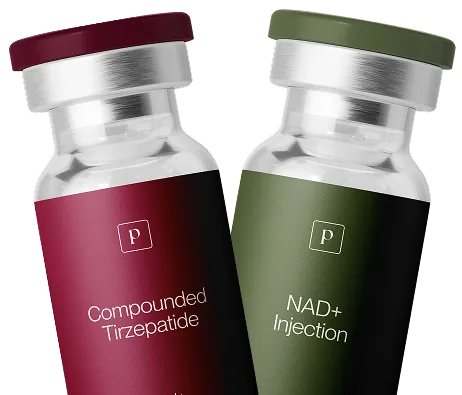
At joinpomegranate.com, we believe sustainable weight loss is about more than the number on the scale. Our programs are designed to support fat loss while protecting muscle, hormones, and long-term health. Whether you’re using GLP-1s or exploring other personalized options, we help you do it the right way.

Because real progress isn’t just about losing weight. It’s about keeping your body strong while you do it.